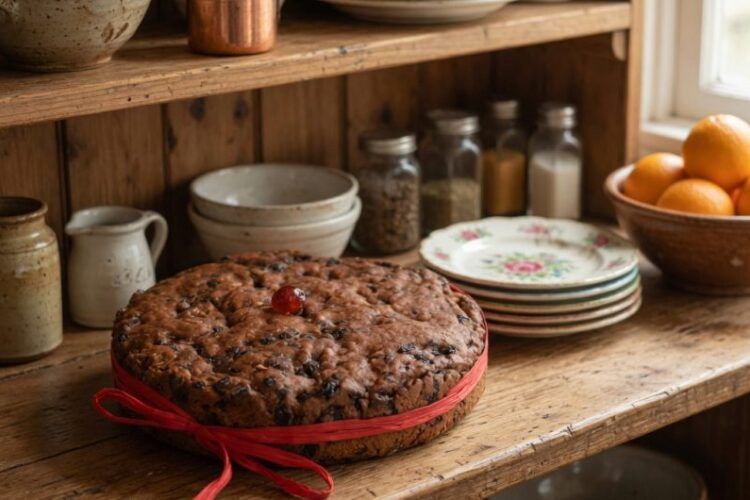
Finding a gluten-free fruit cake recipe that delivers authentic flavor and texture comparable to traditional wheat-based versions has challenged home bakers for years. Most gluten-free baking attempts result in dry, crumbly cakes that disappoint despite careful ingredient selection and precise measurements. This particular gluten-free fruit cake recipe addresses these common problems through careful flour selection, proper moisture management, and cooking techniques refined through extensive testing. The result is a moist, deeply flavored cake packed with tender fruits and warm spices that rivals bakery-quality fruit cakes without requiring months of aging or alcohol preservation. Whether you are baking for Christmas celebrations, holiday gatherings, or simply craving a rich, fruity dessert any time of year, this straightforward recipe proves that gluten-free baking does not require special expertise or expensive ingredients. Unlike many fruit cakes that taste overwhelming or overly complicated, this version balances warm spices with fresh citrus notes and tender, plump dried fruits. The absence of alcohol makes this an inclusive option suitable for all family members while maintaining the complex flavor profile that makes fruit cake special.
Understanding Why Gluten-Free Flour Selection Matters
Gluten-free baking presents unique challenges because different flour blends behave differently in recipes, creating inconsistency that frustrates home bakers accustomed to reliable results with wheat flour. The protein structure of wheat flour provides elasticity and structure that gluten-free flours simply cannot replicate, requiring careful selection of flour blends that work well for specific applications. Not all gluten-free flour blends perform equally in fruit cake, with some producing dry, sandy textures while others create the desired moist crumb. A gluten-free plain flour blend rich in rice flours, including both white and brown rice flour varieties, provides the best results for fruit cake because these flours absorb moisture effectively while creating lighter texture. Store-bought blends like Well & Good contain appropriate ratios of starches and flours for fruit cake baking, delivering consistent results across multiple batches. Avoiding brands known for producing drier results, such as White Wings, prevents disappointing outcomes and wasted ingredients. Understanding the composition of your chosen gluten-free flour helps you adapt recipes and troubleshoot problems that arise during baking.
The Problem with Candied Peel and Finding Better Solutions
Traditional fruit cakes often feature candied orange and lemon peel, which many people find overwhelmingly bitter and unpleasant. This bitterness comes from the intense concentration of flavors in candied peel, which requires careful use to avoid dominating the entire cake. Many people who claim to dislike fruit cake are actually responding negatively to excessive candied peel rather than the cake itself. Replacing candied peel with fresh lemon zest provides bright citrus notes without the overwhelming bitterness that turns many people away from fruit cake. Fresh zest offers subtle flavor that complements dried fruits and warm spices rather than competing with them for attention. The natural oils in fresh zest dissolve into the batter, distributing citrus flavor evenly rather than creating concentrated pockets of bitterness. This simple substitution dramatically improves the eating experience for people who previously found fruit cake unpleasant. For those who genuinely enjoy candied peel, it can certainly be added to this recipe in moderation, allowing personal customization without forcing everyone to endure overwhelming flavors.
Preventing Burnt Edges Through Low-Temperature Baking
Cooking fruit cake at conventional temperatures often results in burnt fruit on the exterior while the interior remains underdone, creating a bitter aftertaste that compromises the entire cake. The high sugar content in dried fruits caramelizes and burns easily when exposed to direct oven heat, which is why low-temperature baking is essential for fruit cake success. Setting the oven to one hundred fifty degrees Celsius, significantly lower than standard cake temperatures, allows the interior to bake through before the exterior burns. This slow, gentle baking process penetrates to the cake’s center without creating a hard, burnt exterior. Using baking strips, which are insulating bands placed around the pan, further protects the edges by shielding them from direct oven heat. This combination of low temperature and edge protection ensures even cooking that retains the cake’s moist, tender texture throughout. Some bakers initially question whether one hundred fifty degrees Celsius is hot enough to properly cook a cake, but testing confirms that this temperature, combined with extended baking time, creates perfect results without burning.
The Critical Role of Dried Fruit Preparation
Boiling dried fruits in water with honey and spices before adding them to the cake batter serves multiple purposes that improve the final product significantly. The boiling process plumps the dried fruits by rehydrating them, ensuring they remain tender and moist in the finished cake rather than becoming hard or chewy. Boiling also infuses the fruits with honey sweetness and spice flavors, beginning the flavor development before the cake is even mixed. This early flavor development ensures no dry, flavorless fruit spots in the finished cake, as every piece has absorbed complementary flavors. The boiling liquid also becomes part of the cake batter, contributing moisture and flavor that prevents dryness. Skipping the boiling step often results in dry cakes with hard fruit pieces that detract from the eating experience. The extra ten to fifteen minutes required for this step is minimal compared to the improvement in the finished cake’s quality.
Selecting and Using Honey for Superior Moisture
Honey serves multiple important functions in this gluten-free fruit cake recipe, providing moisture, sweetness, and subtle flavor complexity that regular sugar cannot achieve. The viscosity of honey means it attracts and holds moisture more effectively than granulated sugar, contributing to the cake’s characteristic tenderness and moistness. Honey also adds subtle floral and caramel notes that enhance the overall flavor profile without creating a honey-dominated taste. Using a combination of honey and golden syrup, if available, provides additional complexity and richness that makes the cake taste more indulgent. The amount of honey specified in the recipe has been carefully calculated to provide adequate moisture without making the batter too wet for proper structure. Honey also caramelizes slightly during baking, creating deeper flavor notes and improving browning compared to sugar-only batters.
Understanding Mixed Spice and Its Flavor Contributions
Mixed spice is a traditional blend found in most grocery stores, typically combining cinnamon, nutmeg, cloves, allspice, and sometimes ginger. This warm spice combination has been used in fruit cakes for centuries because the flavors complement dried fruits beautifully while adding warmth and complexity. Each spice in the blend contributes differently, with cinnamon providing sweetness, nutmeg offering earthiness, cloves adding intensity, and allspice creating subtle licorice notes. Together, these spices create a flavor profile that feels festive and special without overwhelming the fruits. The amount of mixed spice used in this recipe has been calibrated to provide noticeable flavor without making the cake taste overly spiced or medicinal. For people who prefer more pronounced spice flavor, increasing the mixed spice slightly creates a bolder profile. Conversely, those who prefer subtle spicing can reduce the amount slightly while maintaining the cake’s essential character.
The Importance of Fresh Eggs and Proper Temperature Management
Eggs serve as binders in gluten-free baking, making their quality and temperature critical for successful results. Using fresh eggs ensures adequate binding power and creates better structure in the finished cake. Adding beaten eggs to a boiled fruit mixture that has cooled appropriately prevents the eggs from scrambling or curdling, which would compromise the batter’s uniformity. Allowing the boiled fruit mixture to cool to approximately room temperature before adding eggs ensures smooth incorporation without temperature shock. Some bakers cool the mixture in an ice bath to speed the process, though natural cooling works equally well. The cooling step takes minimal time compared to the improvement it provides in the finished cake’s texture and consistency.
Selecting Gluten-Free Flour Blends for Consistent Results
The choice of gluten-free flour blend dramatically affects the final cake’s texture, moistness, and flavor. Blends rich in rice flours provide the best results because rice flour absorbs moisture effectively while creating lighter, more delicate crumb structure. White and brown rice flours in combination offer balanced results, with white rice flour contributing lightness and brown rice flour adding subtle flavor and structure. Experimenting with different brands helps identify which blends work best for your specific kitchen and oven. Keeping notes about which brands produce satisfactory results helps streamline future baking. For bakers who prefer to create custom flour blends, combining white rice flour, tapioca starch, and a small amount of xanthan gum creates a reliable gluten-free flour alternative.
Customizing Dried Fruits Based on Personal Preferences
While the recipe calls for specific dried fruit combinations, substituting different fruits allows customization based on personal taste and availability. Those who dislike cherries can replace them with dried apricots, cranberries, blueberries, or dates for different flavor profiles. Adjusting the ratio of different fruits changes the overall flavor character without compromising the cake’s structure. Adding nuts like walnuts, pecans, or almonds provides textural contrast and additional richness. Some bakers prefer all-dark dried fruit for deeper flavor, while others enjoy the color variation that lighter fruits provide. These customizations keep the cake interesting across multiple batings while respecting the essential boiling technique that makes this recipe work well.
Storage Methods to Maintain Freshness and Quality
Proper storage extends this cake’s freshness and allows you to enjoy it across several days without quality degradation. Storing the wrapped cake in an airtight container at room temperature keeps it fresh for up to ten days, with the flavor actually improving after a day or two as ingredients meld together. The moisture from the fruit and honey content helps preserve the cake better than drier cakes, preventing staleness. Wrapping the cake tightly in plastic wrap before placing it in a container provides additional protection against moisture loss. For longer storage, freezing the wrapped cake maintains quality for several months, with the cake thawing at room temperature before serving.
Making Vegan and Alcohol-Inclusive Variations
For people following vegan diets, flax eggs can replace traditional eggs while maintaining adequate binding and structure. Mixing one tablespoon of ground flaxseed with two and a half tablespoons of water per egg creates a binding paste that works similarly to eggs in this recipe. Using plant-based butter substitutes instead of dairy butter makes the entire cake vegan-friendly. While this recipe is alcohol-free by default, those who want to add alcohol can soak the dried fruits in rum, brandy, or sherry for twenty-four hours before beginning the recipe. The soaking infuses the fruits with alcohol flavor while the cooking process evaporates most of the alcohol content, leaving only subtle flavor. These variations demonstrate the recipe’s flexibility while maintaining the essential characteristics that make fruit cake special.
Understanding How Oven Temperature Affects Baking Time
Different ovens have slight temperature variations, meaning baking time may require adjustment from the recipe’s guidelines. Using an oven thermometer helps verify actual oven temperature and identify if your oven runs hot or cold compared to the setting. Adjusting baking time by five to ten minute increments helps account for these variations while ensuring proper doneness. The skewer test, where a skewer inserted into the cake’s center comes out clean or with minimal crumbs, is more reliable than strict timing for determining doneness. Rotating the pan halfway through baking helps ensure even cooking, particularly in ovens with hot spots or uneven heat distribution.
Creating Dense Yet Tender Crumb Structure
The combination of gluten-free flour, honey, properly prepared dried fruits, and careful mixing techniques creates a dense yet tender crumb structure that distinguishes quality fruit cake. The density comes from the high proportion of fruits and ingredients to flour, which is intentional and desirable rather than a flaw. The tenderness comes from adequate moisture and the careful preparation methods that prevent toughness. Overmixing after adding flour can create toughness by overdeveloping the small amount of gluten present in gluten-free flour blends. Folding ingredients together gently rather than stirring vigorously maintains the tender texture. Understanding this balance between density and tenderness helps bakers appreciate why the recipe works and how adjustments affect results.
Preparing Ingredients Ahead for Streamlined Baking
Gathering all ingredients and preparing them in advance streamlines the actual baking process and reduces the chance of forgetting components. Pre-measuring flour, weighing dried fruits, zesting lemons, and beating eggs before beginning allows you to focus on each step without interruption. This preparation, called mise en place in professional kitchens, makes home baking more efficient and enjoyable. For busy bakers, preparing fruits several hours ahead or even the day before allows the boiling step to be completed in advance, reducing the day-of workload.
Gluten Free Fruit Cake
Course: Gluten Free20
servings15
minutes2
hours2
hours15
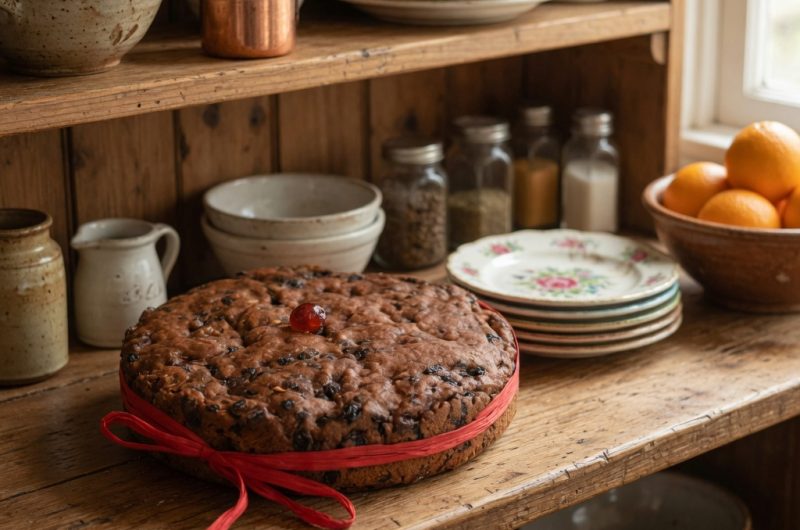
minutesThis gluten-free fruit cake recipe will become a family favorite. Unlike traditional fruit cakes, this one skips the months-long aging process while still delivering a perfectly balanced, spiced flavor. Plus, it’s alcohol-free, making it ideal for anyone looking for a no-booze option.
Ingredients
200 grams Sultanas
125 grams Currants
150 grams Raisins
2 tsp Lemon Zest
100 grams Glace Cherries
60 grams Slivered Almonds
1 cup Honey (or ½ cup honey + ½ cup golden syrup)
125 grams Salted Butter
1 cup Water
2 tsp Mixed Spice
1 tsp Bicarbonate Soda
2 cups Gluten-Free Plain Flour
2 large eggs (beaten)
1 tsp Gluten-Free Baking Powder
Directions
- Preheat your oven to 150°C (300°F). Line a 9-inch round springform pan with parchment paper and prepare baking strips.
- In a large saucepan, combine sultanas, currants, raisins, cherries, almonds, honey, butter, water, mixed spice, and bicarbonate soda. Boil over medium heat, stirring constantly, for 5–10 minutes until the fruits plump up. Cool slightly.
- Once the fruit mixture cools, stir in the beaten eggs. Add gluten-free flour and baking powder, mixing until a thick batter forms.
- Pour the batter into your prepared pan. Bake for 2 hours, or until a skewer inserted in the center comes out clean.
- Allow the cake to cool in the pan for 15 minutes before transferring it to a wire rack. Once fully cooled, store in an airtight container for up to 10 days.
Notes
- Pro Tips for Success
Swap lemon zest for mixed peel if you prefer a traditional flavor.
Freeze leftovers in slices for easy snacks—perfect with tea or gluten-free custard!
Use a flour blend with rice flour for the best texture.
